


Hey there, fellow baking and cooking enthusiasts! I'm a supplier of coated baking sheets, and today I'm gonna dive into a question that many of you might have: Can a coated baking sheet be used for making meatloaf in the oven?
First off, let's talk about what a coated baking sheet is. A coated baking sheet is typically a metal sheet, usually made of aluminum or steel, that has a special non - stick coating on it. This coating makes it super easy to remove whatever you're baking from the sheet without it sticking and tearing apart. There are different types of non - stick coatings out there, but the most common ones are PTFE (polytetrafluoroethylene) and ceramic coatings.
Now, onto the meatloaf. Meatloaf is a classic dish that's loved by many. It's basically a mixture of ground meat (usually beef, but can also be pork, turkey, or a combination), breadcrumbs, eggs, onions, and various seasonings, all molded into a loaf shape and baked in the oven.
So, can you use a coated baking sheet for making meatloaf? The short answer is yes, you absolutely can! In fact, there are several advantages to using a coated baking sheet for your meatloaf.
One of the biggest advantages is the non - stick feature. As we all know, meatloaf can be a bit sticky, especially when it's freshly made. When you use a coated baking sheet, you don't have to worry about the meatloaf sticking to the pan and leaving half of it behind when you try to take it out. This not only makes the whole process of baking and serving much easier but also helps you keep the shape of your meatloaf intact.
Another advantage is the ease of cleaning. After you've baked your meatloaf, cleaning a coated baking sheet is a breeze. You just need to give it a quick wash with some soapy water, and most of the residue will come off easily. Compare this to a regular baking sheet, where you might have to scrub hard to get rid of the stuck - on bits of meat and grease.
But, like with anything, there are also a few things to keep in mind when using a coated baking sheet for meatloaf.
One thing is the temperature. Most coated baking sheets are designed to withstand high temperatures, but it's still a good idea to check the manufacturer's instructions. Some coatings might start to break down or release harmful chemicals if exposed to extremely high heat for a long time. For meatloaf, a typical baking temperature is around 350°F (175°C), which is well within the safe range for most coated baking sheets. However, if you like to broil your meatloaf at the end to give it a nice crust, make sure your baking sheet can handle the higher broiling temperatures.
Another thing to consider is the type of coating. As I mentioned earlier, there are different types of non - stick coatings. PTFE coatings are very common and are known for their excellent non - stick properties. However, they can be a bit more delicate and might scratch easily. If you're using metal utensils on your coated baking sheet, you could accidentally scratch the coating, which not only reduces its non - stick performance but also might expose the underlying metal. Ceramic coatings, on the other hand, are generally more durable and scratch - resistant, but they might not be as non - stick as PTFE coatings.
Now, let's talk about some tips for using a coated baking sheet to make the perfect meatloaf.
Before you put the meatloaf on the baking sheet, it's a good idea to line it with parchment paper. This adds an extra layer of protection for the coating and also makes it even easier to remove the meatloaf. Just make sure the parchment paper fits the size of your baking sheet properly.
When you're shaping the meatloaf, try to keep it a bit smaller than the size of the baking sheet. This gives the meatloaf some room to expand as it bakes without spilling over the edges.
During the baking process, you might notice that some of the fat from the meatloaf drips onto the baking sheet. This is normal, but you can use a baster or a spoon to remove the excess fat every once in a while. This not only helps to reduce the greasiness of the meatloaf but also prevents the fat from burning and sticking to the coating.
After the meatloaf is done baking, let it rest on the baking sheet for a few minutes before you try to remove it. This allows the juices to redistribute within the meatloaf, making it more flavorful and easier to slice.
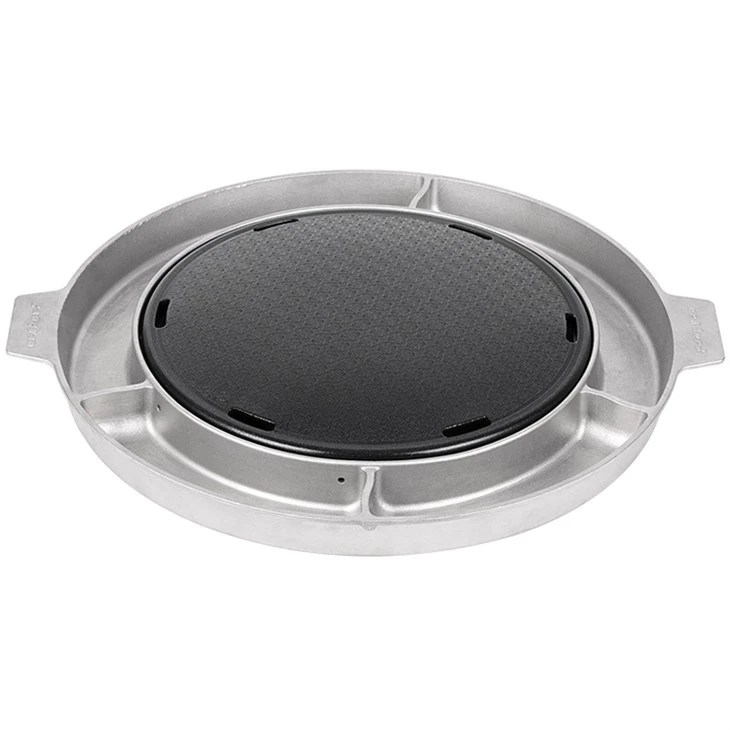
Now, I want to mention some of the products we offer as a coated baking sheet supplier. We have a great selection of Non - stick Baking Pan that are perfect for making meatloaf. These pans have a high - quality non - stick coating that ensures your meatloaf comes out perfectly every time.
We also have the Octopus Non - stick Baking Pan. This pan has a unique design that allows for even heat distribution, which is crucial for baking a delicious meatloaf. The non - stick coating on this pan is also very durable and easy to clean.
And if you prefer a more traditional option, we have the Stainless Steel Baking Tray with a coated surface. The stainless steel base provides excellent heat conductivity, while the non - stick coating makes it easy to use and clean.
In conclusion, using a coated baking sheet for making meatloaf in the oven is a great idea. It offers many advantages, such as non - stick properties and easy cleaning. Just make sure to follow the tips I mentioned and choose the right type of coated baking sheet for your needs.
If you're interested in purchasing our coated baking sheets or have any questions about using them for meatloaf or other baking projects, don't hesitate to reach out. We're here to help you make the most of your baking experience. Whether you're a professional chef or a home cook, our products can make your life in the kitchen a whole lot easier.

References:
- "The Joy of Cooking" by Irma S. Rombauer, Marion Rombauer Becker, and Ethan Becker
- "Cook's Illustrated" magazine - various issues on baking and cooking techniques


