


Can commercial slicers be used in a deli? This is a question that many deli owners and operators often ponder. As a supplier of Commercial Slicers, I'm here to provide you with a comprehensive analysis of this topic, exploring the viability, benefits, and considerations when using commercial slicers in a deli setting.
The Viability of Commercial Slicers in Delis
Commercial slicers are indeed well - suited for delis. Delis are known for their wide variety of sliced products, including meats, cheeses, and vegetables. Commercial slicers are designed to handle high - volume slicing tasks with precision and efficiency, which aligns perfectly with the demands of a busy deli.
One of the primary advantages of using commercial slicers in a deli is the consistency they offer. Whether you're slicing thin, paper - like ham for a sandwich or thick slabs of cheddar cheese for a charcuterie board, a commercial slicer can maintain a uniform thickness across all slices. This consistency not only enhances the visual appeal of the products but also ensures a consistent taste and texture in every bite, which is crucial for customer satisfaction.
Moreover, commercial slicers are built to withstand heavy use. Delis often experience peak hours during lunch and dinner, when the demand for sliced products skyrockets. A high - quality commercial slicer can operate continuously during these busy periods without overheating or breaking down, ensuring that the deli can meet customer orders promptly.
Types of Commercial Slicers for Delis
There are several types of commercial slicers that are suitable for delis.
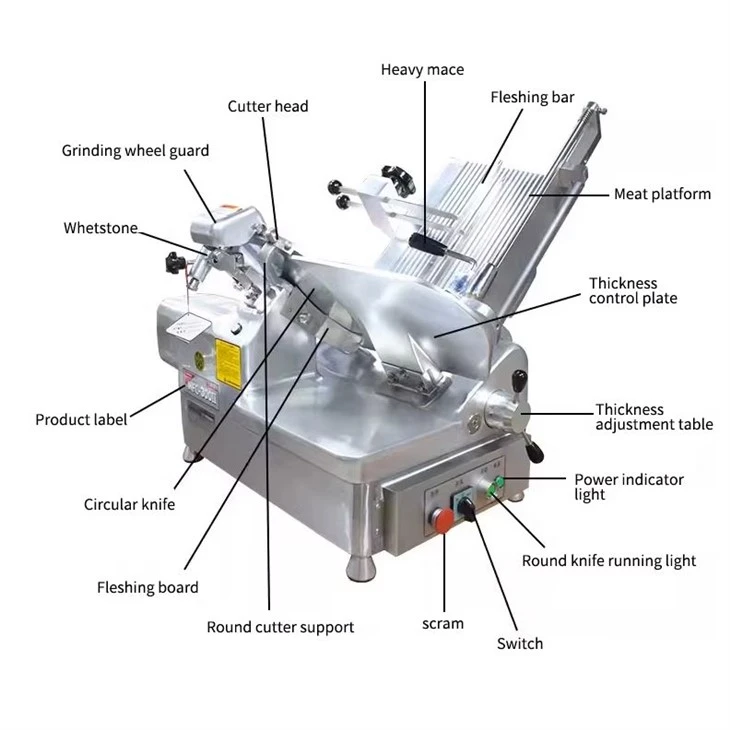
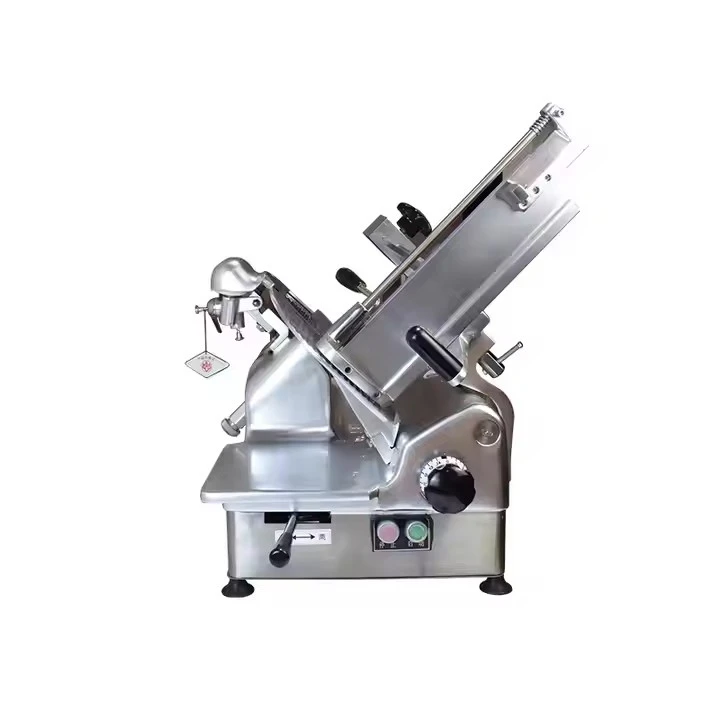
Meat Cutters: Meat Cutter are specifically designed to handle different types of meats, from tender chicken breast to tough beef brisket. They usually come with sharp blades that can easily slice through meat of various textures. Some meat cutters also have adjustable blade settings, allowing you to slice meat at different thicknesses according to your customers' preferences. For example, you can use a meat cutter to slice thin, smoked turkey for a classic deli sandwich or thick, juicy roast beef for a hearty dinner.
Table Slicers: Table Slicer are more versatile and can be used to slice a wide range of products, including meats, cheeses, and vegetables. They are typically smaller and more compact than large - scale meat cutters, making them ideal for delis with limited counter space. Table slicers are also relatively easy to operate and clean, which is an important consideration in a food - service environment. You can use a table slicer to slice tomatoes, cucumbers, and onions for sandwiches, or to create thin slices of Swiss cheese for a grilled cheese sandwich.
Benefits of Using Commercial Slicers in Delis
Cost - Efficiency
In the long run, investing in a commercial slicer can be cost - effective for delis. By slicing products in - house, delis can reduce their reliance on pre - sliced products from suppliers. Pre - sliced products often come with a higher price tag due to the additional processing and packaging costs. With a commercial slicer, delis can purchase bulk products at a lower cost and slice them as needed, saving money on ingredient costs.
Customization
Commercial slicers allow delis to offer customized slicing options to their customers. Some customers may prefer extra - thin slices of meat for a lighter sandwich, while others may want thick, hearty slices for a more substantial meal. By having a commercial slicer on - site, deli staff can quickly and easily accommodate these individual requests, enhancing the customer experience and setting the deli apart from its competitors.
Freshness
Slicing products in - house ensures that the food served in the deli is as fresh as possible. Pre - sliced products may have a shorter shelf life and can lose their flavor and texture over time. When using a commercial slicer, delis can slice products just before they are served, preserving the freshness and quality of the food. This is especially important for meats and cheeses, which can develop a better flavor and aroma when sliced fresh.
Considerations When Using Commercial Slicers in Delis
Safety
Safety is of utmost importance when using commercial slicers in a deli. These machines have sharp blades that can cause serious injuries if not handled properly. Deli staff should receive thorough training on how to operate the slicer safely, including how to load and unload products, adjust the blade settings, and clean the machine. It's also essential to follow all safety guidelines provided by the manufacturer, such as using safety guards and keeping hands away from the blade.
Maintenance
Regular maintenance is crucial to keep commercial slicers in good working condition. This includes cleaning the slicer after each use to prevent the buildup of food particles and bacteria. The blades should be sharpened regularly to ensure clean and precise cuts. Deli owners should also schedule routine inspections and servicing by a professional technician to identify and address any potential issues before they become major problems.
Training
As mentioned earlier, proper training for deli staff is essential. Staff should be familiar with the operation of the specific commercial slicer used in the deli, including how to troubleshoot common problems. They should also understand the importance of food safety and hygiene when using the slicer. Training can be provided by the manufacturer or through in - house training programs, and it should be ongoing to ensure that staff members stay up - to - date with the latest safety and operational procedures.
Conclusion
In conclusion, commercial slicers can be a valuable asset for delis. They offer consistency, efficiency, cost - savings, customization, and freshness, all of which are important factors in the success of a deli. However, it's important to choose the right type of commercial slicer for your deli's needs, prioritize safety and maintenance, and provide proper training to your staff.
If you're a deli owner or operator considering investing in a commercial slicer, I encourage you to reach out to discuss your specific requirements. Our team of experts can help you select the most suitable commercial slicer for your deli and provide you with all the support you need to ensure its successful operation.
References
- Foodservice Equipment and Supplies Association (FESA) - Guidelines on Commercial Slicer Use in Foodservice Establishments
- National Restaurant Association - Best Practices for Food Safety in Delis
- Manufacturer's Manuals for Commercial Slicers


