


Hey there! As a supplier of BBQ exhaust fans, I've gotten tons of questions from folks looking to boost the suction power of their fans. Whether you're running a bustling BBQ joint or just love grilling at home, having a powerful exhaust fan is crucial for getting rid of that pesky smoke and keeping the air fresh. So, in this blog, I'm gonna share some tips on how you can increase the suction power of your BBQ exhaust fan.
Check the Fan Placement
First things first, the placement of your exhaust fan can make a huge difference in its suction power. You want to make sure the fan is installed in the right spot to effectively capture the smoke. Ideally, it should be placed directly above the grill or cooking area. This way, it can quickly suck up the smoke as soon as it rises.
If your fan is too far away from the source of the smoke, it'll have to work harder to pull it in, which can reduce its suction power. Also, avoid placing the fan near any obstacles that could block the airflow, like walls or cabinets. Make sure there's enough space around the fan for the smoke to flow freely.
Clean the Fan Regularly
A dirty fan is a sluggish fan. Over time, grease, dust, and other debris can build up on the fan blades and inside the housing, which can slow down the fan and reduce its suction power. That's why it's important to clean your BBQ exhaust fan regularly.
Start by turning off the power to the fan and removing the grill or cover. Then, use a soft brush or cloth to gently clean the fan blades and the inside of the housing. You can also use a mild detergent or degreaser to remove any stubborn grease. Just make sure to rinse the fan thoroughly and let it dry completely before turning it back on.
Upgrade the Fan Motor
If your fan is old or has a weak motor, upgrading it can significantly increase its suction power. A more powerful motor can spin the fan blades faster, which means it can pull in more air and smoke.
When choosing a new motor, make sure to select one that's compatible with your fan. You can also look for motors that are energy-efficient and have a high CFM (cubic feet per minute) rating. The CFM rating indicates how much air the fan can move in one minute, so the higher the rating, the more powerful the fan.
Install a Duct Booster Fan
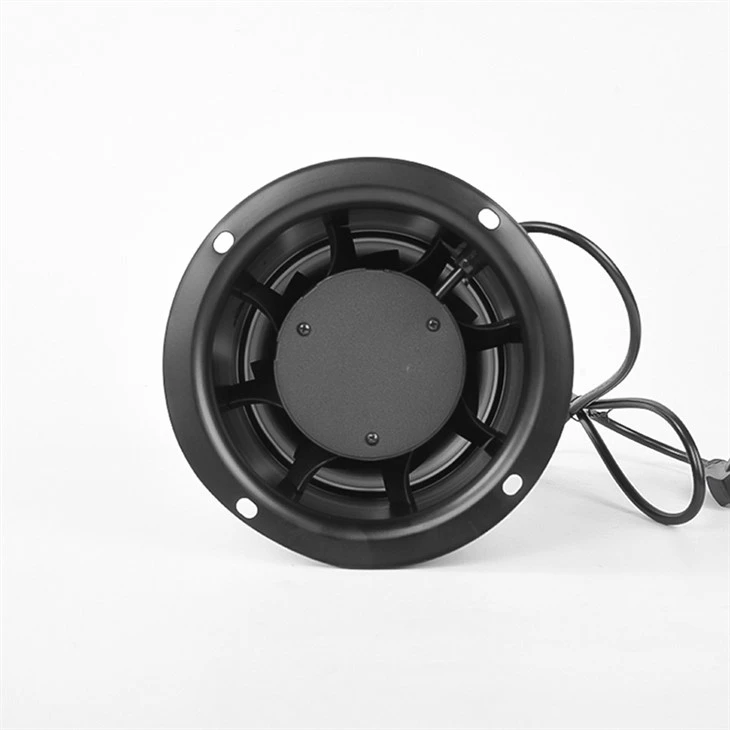
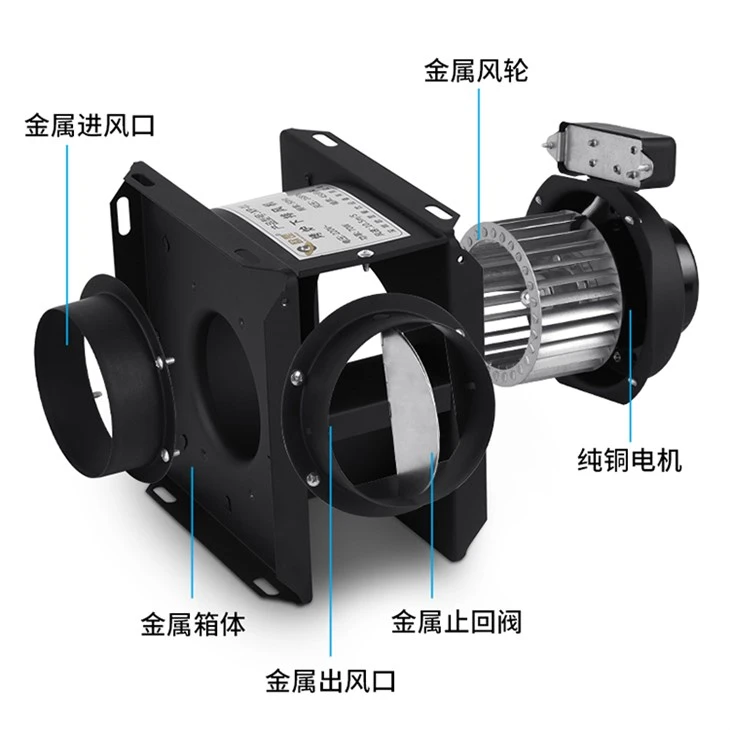
If your exhaust fan is connected to a duct system, installing a duct booster fan can help increase the suction power. A duct booster fan is a small fan that's installed inside the duct to boost the airflow and improve the suction.
The booster fan works by creating a negative pressure in the duct, which helps to pull the smoke through the duct and out of the building. This can be especially useful if your duct system is long or has a lot of bends, which can restrict the airflow.
Seal the Ductwork
Leaky ductwork can also reduce the suction power of your exhaust fan. If there are any gaps or holes in the duct, the smoke can escape before it reaches the fan, which means the fan has to work harder to pull in the remaining smoke.
To seal the ductwork, you can use duct tape or mastic sealant. Make sure to seal all the joints and connections in the duct, as well as any holes or gaps. This will help to prevent air leaks and improve the efficiency of your exhaust system.
Consider the Size of the Fan
The size of your exhaust fan is also important for its suction power. If the fan is too small for your cooking area, it won't be able to pull in enough air and smoke. On the other hand, if the fan is too large, it can create too much noise and use more energy than necessary.
To determine the right size of the fan for your cooking area, you need to consider the size of the grill or cooking surface, the type of cooking you do, and the volume of smoke you generate. As a general rule, you should choose a fan with a CFM rating that's at least 100 cubic feet per minute per square foot of cooking surface.
Use a High-Quality Filter
A high-quality filter can also help to increase the suction power of your exhaust fan. A good filter can trap grease, dust, and other particles in the smoke, which can prevent them from building up on the fan blades and inside the housing.
There are several types of filters available for BBQ exhaust fans, including mesh filters, charcoal filters, and electrostatic filters. Mesh filters are the most common type and are relatively inexpensive. Charcoal filters are more effective at removing odors, while electrostatic filters are the most efficient at trapping particles.
Conclusion
Increasing the suction power of your BBQ exhaust fan doesn't have to be complicated. By following these tips, you can improve the performance of your fan and keep your cooking area smoke-free. Remember to check the fan placement, clean the fan regularly, upgrade the motor if necessary, install a duct booster fan, seal the ductwork, consider the size of the fan, and use a high-quality filter.
If you're in the market for a new BBQ exhaust fan or need help improving the suction power of your existing fan, check out our BBQ Exhaust Equipment. We offer a wide range of high-quality fans and accessories to meet your needs. Our BBQ Centrifugal Fan is a popular choice for commercial kitchens, while our Korean BBQ Smoke Extractor is perfect for home use.
If you have any questions or need more information, feel free to contact us. We'd be happy to help you find the right solution for your BBQ exhaust needs. Let's work together to create a smoke-free and enjoyable cooking environment!
References
- "How to Improve the Suction Power of Your Range Hood." Bob Vila.
- "Exhaust Fan Maintenance: Tips and Tricks." Family Handyman.
- "Choosing the Right Exhaust Fan for Your Kitchen." This Old House.


