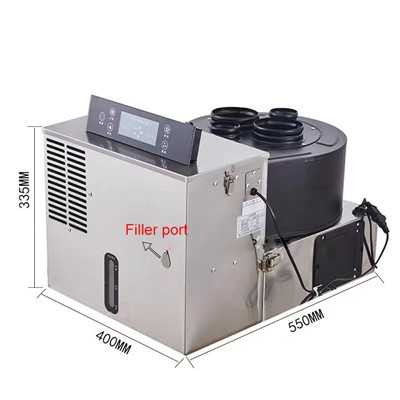


The impact of a BBQ exhaust pipe on fuel consumption is a topic that has gained significant attention among BBQ enthusiasts and professionals alike. As a supplier of high - quality BBQ exhaust pipes, I've had numerous discussions with customers about this very subject. In this blog, I'll delve into the scientific aspects of how a BBQ exhaust pipe can affect fuel consumption.
The Basic Principles of BBQ and Fuel Combustion
Before we explore the relationship between the exhaust pipe and fuel consumption, it's essential to understand the basic principles of fuel combustion in a BBQ. Most BBQs use either charcoal, gas (such as propane or natural gas), or wood as fuel sources. During the combustion process, fuel reacts with oxygen to produce heat, light, carbon dioxide, and water vapor. For efficient combustion, a proper supply of oxygen is crucial. If there is not enough oxygen, the fuel will not burn completely, leading to wasted fuel and the production of harmful by - products like carbon monoxide.
How a BBQ Exhaust Pipe Affects Airflow
One of the primary ways a BBQ exhaust pipe influences fuel consumption is through its effect on airflow. A well - designed exhaust pipe helps to create a draft, which is the movement of air through the BBQ. This draft ensures a continuous supply of fresh oxygen to the combustion chamber. When there is a steady flow of oxygen, the fuel burns more efficiently.
For example, in a charcoal BBQ, a good exhaust pipe can draw air through the charcoal bed. As the air moves through the hot charcoal, it supports the combustion process. If the exhaust pipe is too small or poorly designed, the airflow will be restricted. This can lead to a lack of oxygen in the combustion chamber, causing the charcoal to smolder rather than burn brightly. Smoldering charcoal consumes more fuel because it is not burning at an optimal rate.
On the other hand, an exhaust pipe that is too large may create an overly strong draft. This can cause the fuel to burn too quickly, resulting in a short - lived but intense fire. In this case, more fuel is used in a shorter period, also leading to increased fuel consumption. Therefore, finding the right balance in the size and design of the exhaust pipe is crucial for optimizing fuel efficiency.
Impact on Heat Retention
Another factor to consider is the impact of the exhaust pipe on heat retention. A well - insulated exhaust pipe can help to keep the heat inside the BBQ. When the heat is retained, less fuel is needed to maintain the desired cooking temperature.
In a gas BBQ, for instance, if the exhaust pipe allows a significant amount of heat to escape, the burner will have to work harder to keep the grill at the set temperature. This means more gas will be consumed. A high - quality exhaust pipe, with proper insulation, can minimize heat loss. As a result, the gas burner can operate more efficiently, using less fuel to achieve and maintain the cooking temperature.
Different Types of BBQ Exhaust Pipes and Their Effects
There are various types of BBQ exhaust pipes available in the market, each with its own characteristics and effects on fuel consumption.
Japanese BBQ Exhaust Pipe
Japanese BBQ often involves grilling thin slices of meat over high heat. Japanese BBQ Exhaust Pipe is designed to handle the high - volume smoke generated during this process. These exhaust pipes are usually designed to create a strong draft while also being able to capture and remove smoke effectively. A well - functioning Japanese BBQ exhaust pipe can ensure that the combustion in the grill is efficient, as it provides a good supply of oxygen and helps to maintain the right temperature. This, in turn, can lead to reduced fuel consumption.
Exhaust Hood Korean BBQ
Exhaust Hood Korean BBQ is typically used in Korean BBQ restaurants. These exhaust hoods are large and powerful, designed to extract a large amount of smoke from multiple grills. They also play a role in fuel consumption. By creating a proper airflow pattern, they can ensure that each grill gets an adequate supply of oxygen. This promotes efficient combustion and can help to save fuel, especially in a commercial setting where multiple grills are in use simultaneously.
Korean BBQ FRD Exhaust
Korean BBQ FRD Exhaust is another type of exhaust system commonly used in Korean BBQ establishments. These exhausts are engineered to handle the specific requirements of Korean BBQ, such as the high - fat content of the meats being grilled. They can prevent grease build - up in the exhaust system, which could otherwise restrict airflow and reduce combustion efficiency. A clean and well - functioning Korean BBQ FRD exhaust can contribute to lower fuel consumption by maintaining optimal airflow and combustion conditions.
Other Factors Affecting the Relationship
It's important to note that the effect of a BBQ exhaust pipe on fuel consumption can also be influenced by other factors. The type of fuel used, the design of the BBQ itself, and the cooking habits of the user all play a role.
For example, if a user frequently opens the BBQ lid during cooking, it can disrupt the airflow and heat retention, regardless of how well the exhaust pipe is designed. Also, different types of fuel have different combustion characteristics. Charcoal may require a different exhaust setup compared to gas to achieve optimal fuel efficiency.
Conclusion and Call to Action
In conclusion, a well - designed and properly installed BBQ exhaust pipe can have a significant impact on fuel consumption. By optimizing airflow, heat retention, and combustion efficiency, it can help users save on fuel costs in the long run.
As a leading supplier of BBQ exhaust pipes, we offer a wide range of products, including Japanese BBQ Exhaust Pipe, Exhaust Hood Korean BBQ, and Korean BBQ FRD Exhaust. Our products are designed with the latest technology and high - quality materials to ensure maximum efficiency and durability.
If you're interested in improving the fuel efficiency of your BBQ or upgrading your existing exhaust system, we invite you to contact us for a detailed discussion. Our team of experts is ready to assist you in finding the perfect BBQ exhaust pipe for your needs.


References
- Smith, J. (2018). The Science of BBQ. Grill Magazine.
- Johnson, A. (2019). Airflow and Combustion in BBQs. Journal of Culinary Science.
- Brown, C. (2020). Exhaust Systems for Commercial BBQs. Hospitality Review.