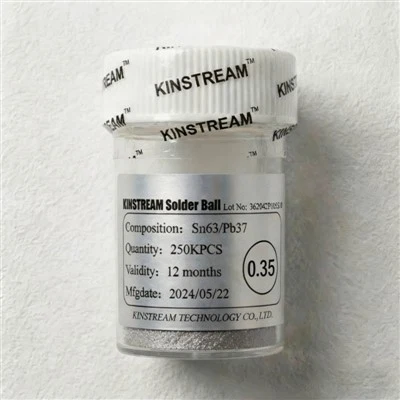

A SAC alloy-coated copper core ball is a composite solder ball with a copper core and an outer layer plated with a tin-silver copper (SAC) alloy. It is primarily used in high-reliability electronic packaging, combining the high strength of copper with the excellent soldering performance of SAC alloy.
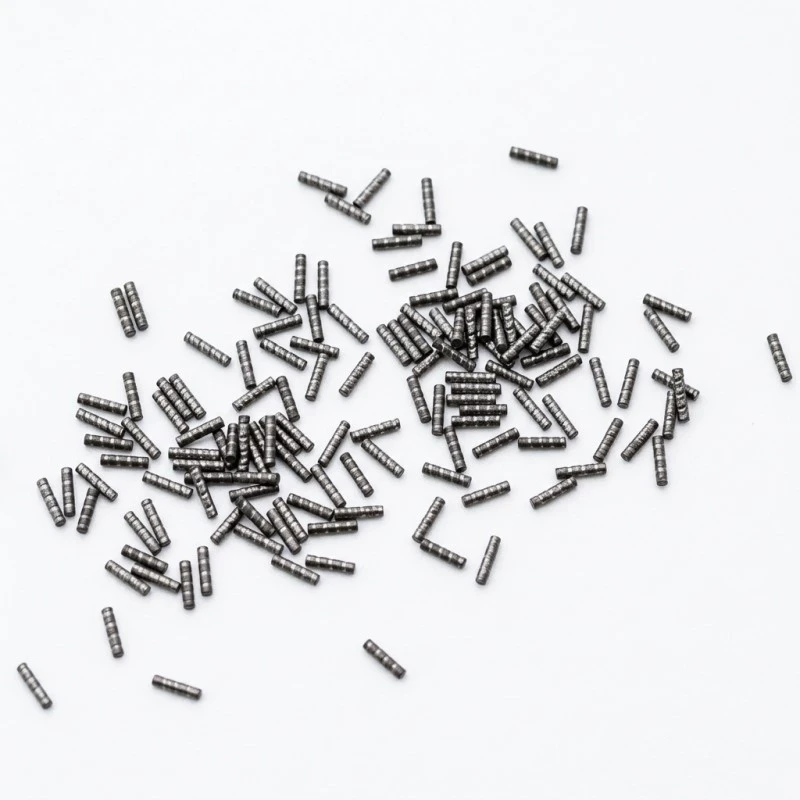
High-purity copper balls, typically with a diameter between 0.03–0.5 mm, provide excellent mechanical support and a good thermal path.
Intermediate layer (optional): A 2–3 μm thick nickel plating layer to suppress intermetallic compound (IMC) diffusion between the copper and the external solder, improving interface stability.
Outer layer: A 3–30 μm thick SAC alloy plating layer (such as SAC305 or SAC405), which is the part that actually participates in the soldering process and possesses good wettability, fatigue resistance, and lead-free environmental protection properties.
High thermal conductivity: The copper core has significantly better thermal conductivity than pure tin balls, helping to dissipate heat from the chip quickly and reducing the risk of heat buildup.
Strong resistance to thermal fatigue: SAC alloy itself has better creep resistance than traditional Sn-Pb solder, and is less prone to cracking during repeated thermal cycling.
High connection reliability: Suitable for advanced packaging forms such as BGA, CSP, and FC, especially suitable for high-power devices and high-density interconnect scenarios.